 Build-to-Rent Active Rent Special
Riverside Crossing
Jacksonville, FL
Verified
3–4 BedsFrom $2,295/mo
🚀 Reserve This Featured Spot
Put your property in front of renters actively searching this market.
View DetailsNew construction, designed for renters
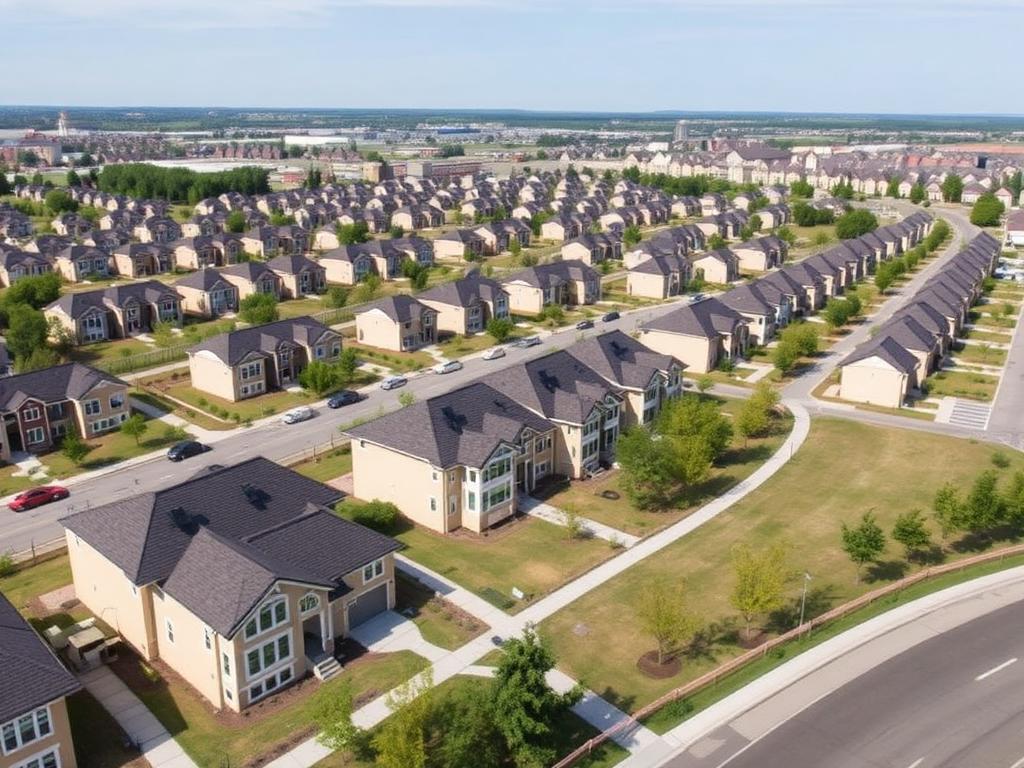
Purpose-built rental neighborhoods with new homes, shared amenities, and professional management.
Build-to-rent communities are designed for renters who want new-construction homes without buying. They typically offer single-family or townhome layouts, smart-home features, yards or patios, community pools, and on-site management with lease terms that feel closer to an apartment community.
Two sample listings show how build-to-rent can appear on RenterMagnet.
Build-to-Rent Active Rent SpecialJacksonville, FL
🚀 Reserve This Featured Spot
Put your property in front of renters actively searching this market.
View DetailsBuild-to-Rent Active Rent SpecialAustin, TX
🚀 Reserve This Featured Spot
Put your property in front of renters actively searching this market.
View DetailsThe RenterMagnet Guide
A practical, plain-English guide to comparing, touring, and leasing build-to-rent with confidence.
Build-to-Rent are professionally marketed rental homes designed to give renters flexibility, predictable maintenance, and a clear leasing process. On RenterMagnet, every build-to-rent listing shows verified availability, transparent pricing, and a direct line to the property — no lead broker in between. Whether you are relocating for work, downsizing, or renting your first place, understanding how build-to-rent are priced, managed, and leased makes it easier to shortlist the right home.
Apartments are typically operated by a single management company across an entire community, with standardized leases, on-site maintenance, and shared amenities. Condos are individually owned units inside a larger building, so policies, finishes, and responsiveness vary unit-by-unit. Townhomes are attached multi-level homes that feel more residential — often with private entries, attached garages, or small yards. Comparing them side by side helps you decide what matters most: consistency, uniqueness, or space.
Before you sign, ask: What is the true all-in monthly cost after mandatory fees? Which utilities are billed back and how? What is the pet policy, deposit, and monthly pet rent? Is parking assigned, reserved, or first-come, first-served? What is the guest, subletting, and short-term rental policy? How are maintenance requests submitted and how fast is the response time? What are the renewal terms and rent-cap history for existing residents? Getting answers in writing before you apply protects you from surprises after move-in.
Advertised base rent is rarely what you actually pay each month. Look for mandatory monthly fees (trash, pest control, technology, amenity, package handling), one-time move-in fees (administration, non-refundable move-in, redecoration), variable utility bill-backs, and pet-related fees (deposit, one-time, monthly pet rent). RenterMagnet requires listers to categorize each fee and mark whether it is mandatory, optional, or variable — so the "Estimated Monthly Cost" you see reflects base rent plus every required monthly fee.
A few terms you'll see often: Lease term (usually 12 months, sometimes 6 or 15); Concession (a one-time credit, like "1 month free" spread across the lease); Rent-ready date (when the specific unit is available, not the community); Guarantor / co-signer (a person with income who guarantees the lease); Prorated rent (partial-month rent for a mid-month move-in); Renters insurance minimum (typically $100,000 liability); and Notice-to-vacate window (usually 60 days before lease end). Knowing the vocabulary lets you compare offers apples-to-apples.
Pet policies vary widely, even inside the same city. Confirm breed and weight restrictions, maximum number of pets, and whether "pet rent" is monthly per pet or per household. Ask whether the deposit is refundable, whether there's a one-time pet fee on top of the deposit, and whether emotional support or service animals are handled separately from pets under the Fair Housing Act. If you have an aquarium or exotic pet, ask specifically — many policies only mention dogs and cats.
Parking can add $25–$300+ per month depending on the market. Options usually include unassigned surface parking, reserved surface, covered/carport, garage, and EV-equipped stalls. Ask about guest parking limits, tow policies, and whether a second vehicle costs extra. If you need storage, ask about on-site storage units, bike rooms, and package lockers — and confirm how deliveries are handled if you're not home.
Fitness centers, pools, and coworking lounges are common — but usage matters more than the photo. Ask about pool hours, whether the fitness center is 24/7 with keyfob access, and whether coworking rooms are reservable. Package lockers, dog washes, EV charging, and rooftop decks are increasingly standard in newer communities. If an amenity is central to your decision, tour on a day and time when it should be in use.
On move-in day, document the unit's condition with time-stamped photos of every room, appliance, floor, and wall — email them to yourself and the property. Test locks, smoke detectors, HVAC, and every faucet. Save the leasing office's after-hours emergency number. Keep a folder (physical or digital) with your signed lease, addenda, rent receipts, and any maintenance tickets. When it's time to renew or move out, that folder is worth its weight in gold.
Keep learning — internal deep-dives to help you rent smarter.
Reach renters nationwide
Put your build-to-rent community in front of renters actively searching in your market. Build trust with verified listings, transparent pricing, and direct inquiries.