Lake Nona
Master-planned, tech-forward, family suburb near the airport and Medical City.
Good for: Healthcare workers, remote professionals, families.
Typical rent: $1,900–$3,400
Orlando, FL
Orlando's rental market spans downtown high-rises, master-planned suburbs, and purpose-built rental communities that opened in the last few years. Whether you're relocating for hospitality, healthcare at Lake Nona's Medical City, or remote work, there's a meaningful range of price points and layouts once you know where to look.
Local realities that shape a good rental decision here — not generic search advice.
Toll roads (408, 417, 429) shape commutes far more than raw distance — check your daily route before committing to a neighborhood.
Hurricane season runs June through November. Ask any property about flood zone, generator backup, and impact windows.
Many communities require renters insurance and a specific liability minimum ($100k is common). Budget for it up front.
Central Florida has no state income tax, but sales tax and short-term-rental surcharges are high — factor them into total cost of living.
School zoning changes by street. If schools matter, verify the zoned school with Orange or Seminole County before signing.
Rent-to-price ratios vary sharply between tourist-corridor short-term markets and traditional long-term neighborhoods.
A quick, honest guide to who each neighborhood fits — and roughly what to expect.
Master-planned, tech-forward, family suburb near the airport and Medical City.
Good for: Healthcare workers, remote professionals, families.
Typical rent: $1,900–$3,400
Walkable urban core with high-rise apartments, restaurants, and the Sunday farmers market.
Good for: Young professionals, couples, downsizers.
Typical rent: $1,700–$2,900
Tree-lined, boutique-y, historic — think Park Avenue and Rollins College.
Good for: Design-conscious renters, families wanting walkability without downtown density.
Typical rent: $1,900–$3,600
Established suburb near Restaurant Row and Universal.
Good for: Hospitality professionals, families near top-rated schools.
Typical rent: $1,800–$3,200
New-urbanist neighborhood built around a lake with mixed-use retail.
Good for: Runners, dog owners, and renters who want a small-town feel inside city limits.
Typical rent: $2,000–$3,400
Eclectic, artsy, indie-food scene just outside downtown.
Good for: Creatives, first apartments, foodies.
Typical rent: $1,500–$2,400
Apartment communities in Orlando typically bundle pool, fitness, and package handling — meaningful in Florida heat. Newer downtown and Lake Nona buildings compete hard on move-in specials, especially in the shoulder seasons (Feb–April, Sept–Oct).
Single-family rentals give you a yard, a garage, and school-zone control, but you'll be responsible for lawn service in most leases and you'll want to confirm A/C age — a full system runs 12–17 years in Central Florida and its replacement conversation matters.
When to choose which: Choose an apartment if you value amenities, flexibility, and predictable maintenance. Choose a single-family rental if you have kids, pets, work-from-home space needs, or you want to test-drive a neighborhood before buying.
Orlando is one of the strongest build-to-rent markets in the country. Communities in Winter Garden, Horizon West, and along the SR-429 corridor offer brand-new single-family and townhome rentals with community pools, professional management, and lease terms closer to an apartment than a private landlord. If you want new construction without buying, this is where to look.
Short-term & vacation rentals
The corridor south of I-4 (Kissimmee, Champions Gate, Reunion) is dominated by short-term vacation rentals. If you're relocating long-term, filter these out — HOA rules and nightly turnover can make them a poor fit for full-time living.
Active concessions on RenterMagnet listings in Orlando.
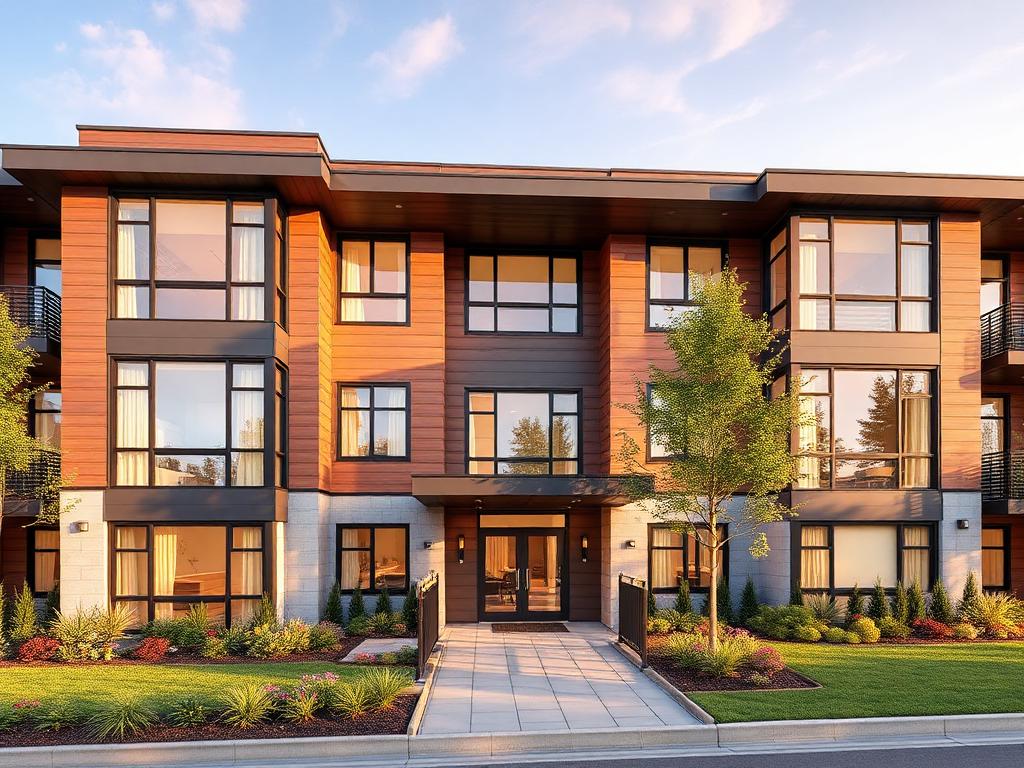 Apartments Active Rent Special
Orlando, FL
Student Housing Active Rent SpecialShort-Term Rentals Active Rent Special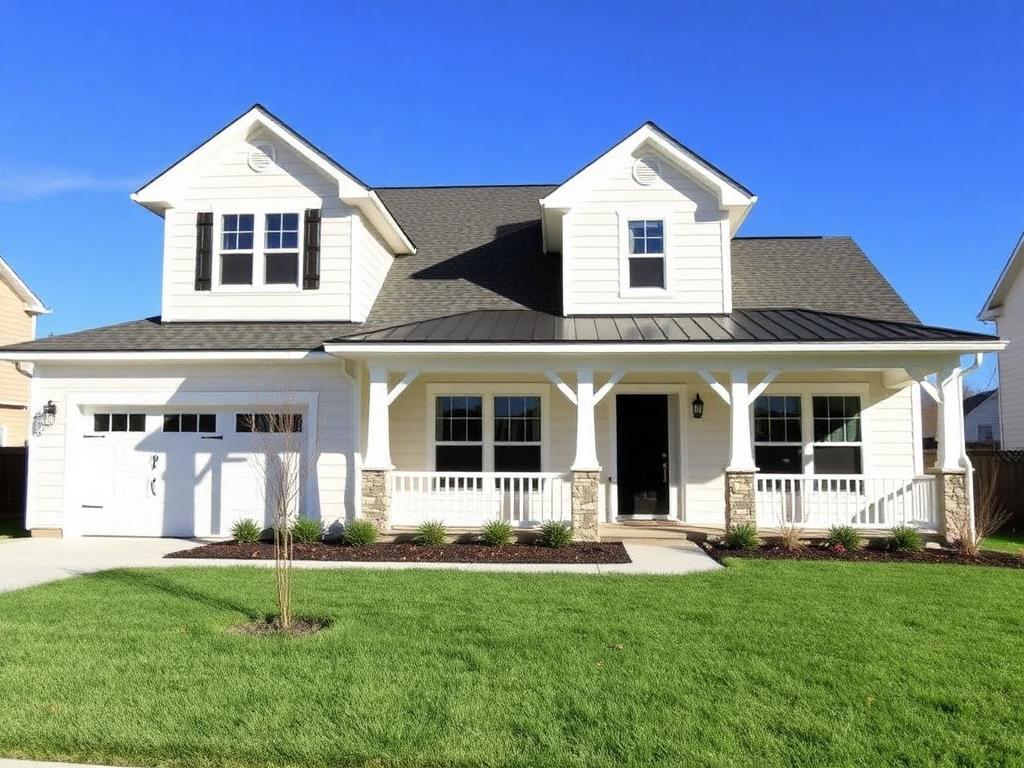 Senior Housing 55+ Active Rent Special
New and this-week listings in Orlando.
Local specialists who know Orlando neighborhoods, property managers, and lease terms.
In 2026, a 1-bedroom in a well-amenitized community runs roughly $1,500–$2,000 depending on submarket. Downtown and Lake Nona sit at the top of that range; Mills 50, Southchase, and parts of Kissimmee run lower.
Rarely all-in. Water/sewer/trash is sometimes bundled or billed back through a valet service; electric almost always sits with the resident. Ask for the last 12 months of utility averages before signing.
Most communities are pet-friendly with weight and breed restrictions plus pet rent ($25–$50/mo). ESAs are protected under fair-housing rules but require documentation the property can accept.
Post-holiday (Jan–March) and end of summer (late Aug–Oct) tend to have the most 'one month free' and waived-fee offers, especially at newly stabilized lease-ups.